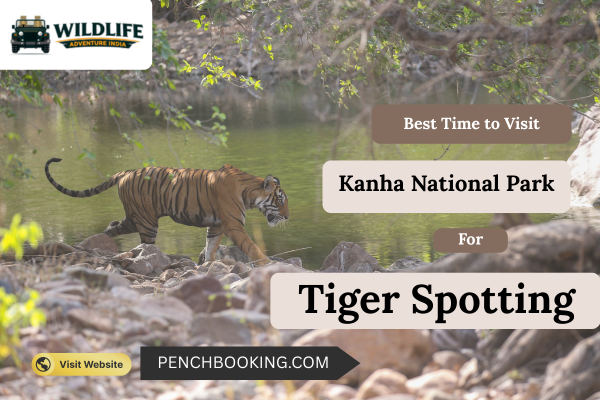
Kanha National Park is unquestionably one of India’s greatest wildlife attractions not only for the tiger but for the entire landscape and biodiversity. This park located in central India not only became the setting of The Jungle Book but also provides the best experience in spotting tigers in the whole country. If it is your dream to see tigers at Kanha, picking the right time to visit the National Park becomes very important. The subsequent manual will elaborate on the times when animals are most visible, the effect of weather on safari tours. The best ways for your Kanha tiger safari including online reservation for safari and travel planning tips.
What Makes Kanha National Park Unique?
Kanha National Park, also known as Kanha Tiger Reserve, is situated in Madhya Pradesh, India. It is famed for its significant population of Bengal tigers, barasingha (swamp deer), leopards, wild dogs, and a remarkable variety of birds. The diverse land with thick sal forests, grassy fields, and meandering streams serves as a great home for various animals and hence, it is one of the best places to observe them in their natural habitat.
A safari in Kanha jungle is an opportunity to encounter not just the Big Cat but also a complete wildlife experience wherein the sighting chances are accompanied by stunning landscapes and responsible ecotourism.
Understanding the Seasons: When to Visit
The timing of your trip to Kanha National Park greatly influences the likelihood of spotting tigers and other wildlife. Here’s a breakdown of the key seasons and what they offer:
1. Winter (October to February) — Best Period for Tiger Sightings
Winter is often considered the ideal season to visit Kanha National Park for the purpose of seeing tigers. The cool and dry weather results in less dense growth of vegetation, drying up of some waterholes. Consequently animals moving to those waterholes that are still wet thus making it easier for one to view them.
- Best Months: November to February
- Temperature: 10°C – 25°C
- Wildlife congregates near water points
- Tigers are more likely to be spotted because of the reduced grass cover
This duration is favorable for morning and evening safaris, which are cool and the most active periods for large cats. Early booking of slots, particularly via online safari booking, increases your chances of having the best timings during the high season.
Discover More About Kanha National Park – Read Our Complete Winter Safari Guide
2. Post-Monsoon / Early Summer (March to May) – Great Wildlife Activity
During the early summer months, there is still the chance of seeing good wildlife before the heat becomes unbearable. The growth of nature is still quite rich after the rain, and the animals are usually active all day long, especially during the early hours.
- Best Months are: March to April
- Temperature ranges from 20°C – 35°C.
- Waterholes start to shrink.
- Animals move more visibly across open areas
During the rainy season which last from July to September, Kanha National Park is shut down completely due to the heavy rains, floods and danger to both animals and people that are common in the area.
- Park Closed: July to September
- No safaris available
- Roads and trails become inaccessible
If you’re planning to go on a tiger safari at Kanha, do not choose these months. Instead, the months just before or after monsoon will provide great visibility of wildlife.
Tips to Increase the Chances of Seeing Tigers
No matter if it’s your first time or your fifth visit, these are some helpful suggestions to make your time at Kanha National Park India more pleasant:
1. Reserve Your Safari Online Early
Kanha’s safari slots are quickly occupied especially during the peak season. The advanced online safari booking not just secures your choice of time slots (morning and evening) but also lets you select from various regions like Kanha, Mukki, and Kisli.
2. The Correct Safari Timing Must Be Chosen
The big felines are very active during sunrise and sunset. Always prefer the morning safaris just after the sun comes up and the evening safaris just before the sun goes down. Kanha tiger sightings are likely during these times.
3. Opt for Open Gypsy Safaris
Open-top gypsy vehicles are the best choice for wildlife viewing and shooting compared to closed jeeps. Apart from the great views, these game drives are the ones that most serious wildlife observers choose.
4. Listen to Your Guide
Professional naturalist guides can be of great help. They are aware of the animals’ habits as well as the nature of the place and so they can lead you to the tiger. The herd of deer, or even the leopard that is hard to find.
5. Patience and Quiet
Keep your cool and exercise patience when on safari. Tigers are tricky to spot and so it may take time before they come into view. Non-chalance and slow pace of movement increase the possibility of wildlife drawing near.
Conditions of a Kanha Tiger Safari
A typical day at Kanha usually begins early in the morning—typically at the time of sunrise—with visitors taking the open gypsies or jeeps for a thrilling wildlife safari in Kanha. As the sun slowly rises above the forest, a herd of deer, monkeys, and wild pigs are waking up in the forest and often followed by big cats staying in the darkness.
You are to expect your guide checking the areas around the water holes, grids of high grass, and the paths covered by shadows where a tiger lying down might be. With a combination of luck and patience, you may be rewarded with having an incredible sight of Kanha tigers. This will be a moment that counts forever.
Where to Stay and Other Logistics
Kanha National Park has many accommodation options including from the very expensive jungle lodges to the not very luxurious but affordable resorts that are located near the main and buffer zones of the park. Staying quite close to the gates to the safaris could allow you to be on time at the safari points and skip the long drives before or after the jungle trip.
Wildlife Beyond Tigers
Tigers’ presence makes the park a prime spot; however, Kanha is home to many other animals and plant species. Here are some of the less common mammals you will see:
- Barasingha or swamp deer
- Leopards
- Wild dogs (dholes)
- Sloth bears
- Various deer species (sambar, chital)
Kanha National Park was considered a superb decision not only for tiger fans but also for wildlife lovers, photographers and people who travel for nature.
Frequently Asked Questions (FAQs)
Q1: What is the best time for Kanha tiger safari?
A: The best time for Kanha tiger safari is from November to February when the climate is best for seeing the tigers.
Q2: Is it possible to make an online safari booking for several days?
A: Yes. It is highly recommended to make online safari booking for both the morning and evening safaris, especially during the peak months.
Q3: How likely are tigers to be seen in Kanha National Park?
A: Tiger sightings in the wild cannot be guaranteed, but Kanha is one of the places where tiger sightings are more likely because of the good terrain and large number of tigers.
Q4: How many safaris should I book?
A: To make the most of your tiger and wildlife spotting, a minimum of 4 safaris (2 mornings and 2 evenings) is recommended.
Q5: Is Kanha appropriate for first-time wildlife travelers?
A: Definitely! With the safaris organized, the guides being experienced, and the trails being easy to walk on, Kanha National Park is a perfect choice for first-time adventurers.
Conclusion
If you select the perfect timing for your visit to Kanha National Park for tiger sightings, it will greatly enhance your wildlife experience. The period between November and February has the best climate and visibility. Which means that you are very likely to see the magnificent Kanha tigers during the morning and evening safaris.
By planning your trip in advance online safari booking especially—and adopting the smart travel tips you’ll find in this article such as right safari timings and experienced guides. Your Kanha tiger safari will surely become the best part of your wildlife travels. This national park has among the richest biodiversity, the most beautiful sceneries and the most amazing animals in India. Making it one of the most rewarding national parks for both nature lovers and safari enthusiasts.