Kanhabooking.com, operated by Wildlife Adventure India, is a trusted private travel partner for Kanha National Park safari bookings, accommodation, and curated wildlife tours. Safari permits are issued exclusively through official government portals, and we assist travelers with planning and booking services across all major zones.
India's Most Iconic Tiger Reserve
Kanha National Park — also called Kanha-Kisli National Park — is not famous because someone decided to market it well, and it sits deep inside Madhya Pradesh, across the Mandla and Balaghat districts, right in the Satpura-Maikal hill range. Sal forest, grassland, streams cutting through it all — that combination is basically why this place is considered one of the richest wildlife habitats in Asia. Ask a dozen wildlife travelers and most of them will say Kanha first when you bring up seeing a Bengal tiger in the wild.
Some numbers, for scale. The park's total protected area comes to 2,051 square kilometers. Of that, 940 square kilometers make up the core zone — officially the Critical Tiger Habitat — where nothing except permitted safaris is allowed. The rest, 1,067 square kilometers, is a buffer zone, sitting between the fully protected forest and the villages around it. Big park means room. Tigers aren't stepping on each other's territory, prey animals have space to graze, the whole thing stays balanced. Which, honestly, is probably why sightings here feel less rushed than at some of the smaller reserves.
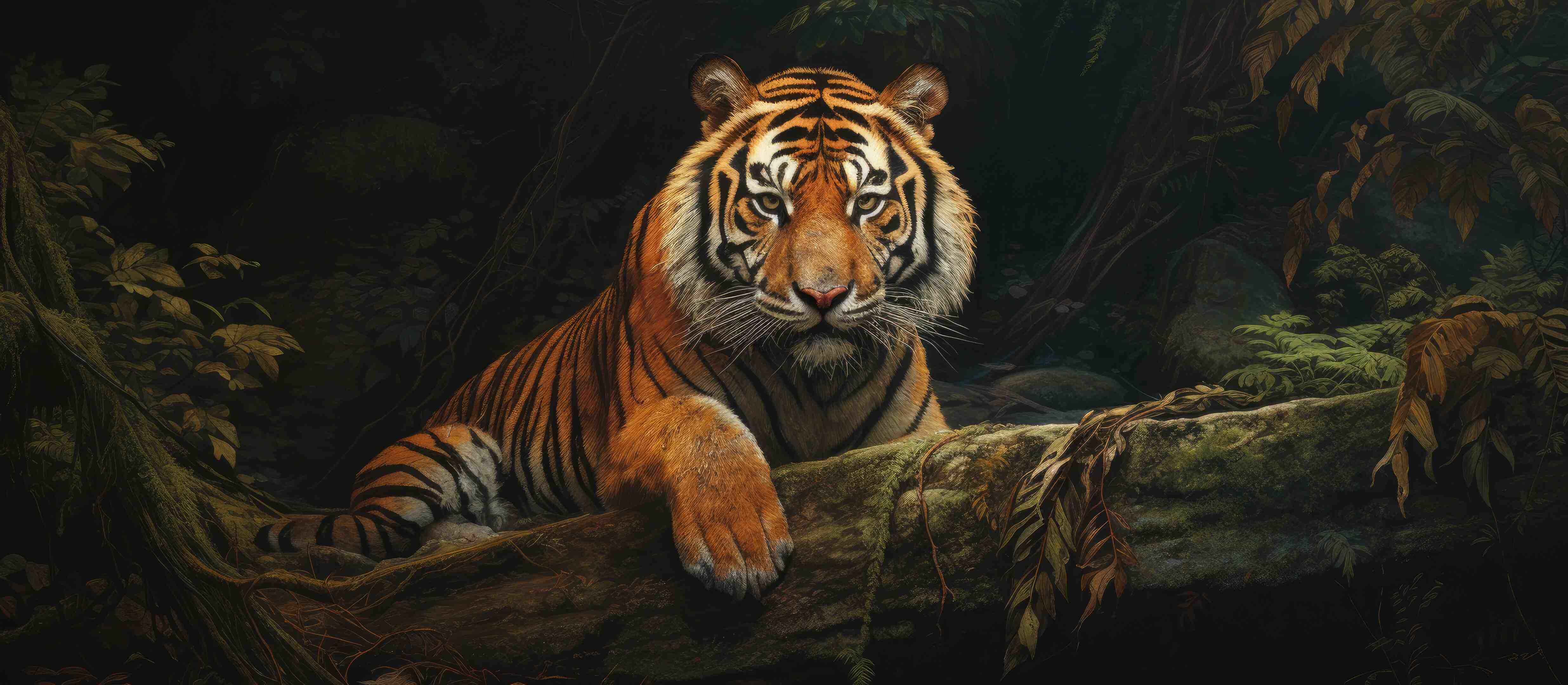
Most visitors want one thing really — a tiger, in the wild, close enough to actually see it properly. Kanha's about as good a bet for that as anywhere in the country. It was one of the original nine reserves picked when Project Tiger launched in 1973, and numbers here have kept climbing since then. Latest counts: over 100 tigers. That's one of the highest densities you'll find in India.
It's not only tigers though. Leopards, dholes (wild dogs), sloth bears, gaur, plus 300+ bird species call this park home. Keep an eye on the open meadows — locals call them "maidans" because that's usually where things happen, mostly early morning or late in the day.
The safari zones of Kanha are divided into two layers — core and buffer — each with its own character and entry points. Four zones make up the core: Kanha, Kisli, Mukki, Sarhi. Each has its own gate, its own safari routes. Kanha and Kisli gates get the most traffic and usually the best tiger odds. Safaris run morning and evening, and honestly, book your gypsy ahead — October through June gets busy fast.
The buffer adds four more entry points: Khapa, Khatia, Phen, and Sijhora. Fewer jeeps, quieter trails, and a different pace altogether. Good for leopard, sloth bear, dholes, and birding — without the rush that follows tiger sightings in the core. Worth considering if you're doing more than one safari.
Best window overall? November to April. Cooler, drier, animals out in the open more. Monsoon closes the whole park down, July through September, so the forest gets a break.

Quick Overview — Kanha National Park
| Detail | Information | Detail | Information |
|---|---|---|---|
| Location | Mandla & Balaghat Districts, Madhya Pradesh, India | Also Known As | Kanha-Kisli National Park |
| Total Area | 2,051 sq km (Core + Buffer Zone) | Core Zone Area | 940 sq km |
| Buffer Zone Area | 1,067 sq km | Established | 1955 (National Park), 1973 (Tiger Reserve) |
| Tiger Population | 100+ Bengal Tigers | Entry Gates | Kanha Gate, Kisli Gate, Mukki Gate, Sarhi Gate, Khatia Gate |
| Park Open | October to June | Park Closed | July, August, September (Monsoon) |
| Best Time to Visit | November to April | Nearest Airport | Jabalpur Airport (160 km) |
| Nearest Railway Station | Jabalpur (Kanha Gate) / Gondia (Mukki Gate) | Key Wildlife | Bengal Tiger, Barasingha, Leopard, Gaur, Dhole, Sloth Bear |
| Total Bird Species | 300+ | Total Mammal Species | 40+ |
| Major Rivers | Banjar, Surpan, Halon, Tenneur | Famous For | Last surviving hard-ground Barasingha in the world |
| Jungle Book Connection | Forests believed to inspire Rudyard Kipling's story | Safari Type | Gypsy Safari |
What Makes Kanha Special?
Loads of parks in India run tiger safaris. So why Kanha specifically? A few reasons keep coming up when you talk to people who go regularly, or to photographers who've shot here for years.
Landscape & Terrain
The terrain, for one. Not many parks squeeze in this much variety — dense sal forest, open meadow, river valley, bamboo groves, all inside one boundary. That range is a big reason so many species can live here at once, way more than you'd get in a park with flatter, more uniform habitat. Drive through on safari and the whole landscape keeps changing under you.
The Barasingha
Then there's the barasingha — swamp deer, if you want the plain name. Kanha's the only place left on Earth where the hard-ground barasingha survived. Back in the 1970s there were fewer than 70 of them. Decades of conservation work later, that number's over 700 now. Want to see one in the wild? Kanha's your only shot, full stop.
Well-Run Safaris
Third thing worth mentioning: how well-run the safaris are here compared with many other reserves. Gypsies generally stick to designated routes, helping maintain an organized and controlled safari experience. Guides are trained and licensed, and the park keeps close tabs on where the animals are moving. Less stress on the wildlife, better odds for you.
A Literary Angle
There's a literary angle too, if that interests you. People widely believe these forests inspired Rudyard Kipling's The Jungle Book — nearby place names like Seoni actually match locations from the book. Small detail, but it adds something if you're into that kind of history.
A Photographer's Park
Photographers rank Kanha among the best spots in Asia. Open meadows give you good light, long clean sightlines, backgrounds that don't clutter your shot — exactly what you need when something's moving fast and you've got half a second to get the frame right.
History of Kanha National Park
The history of Kanha as protected land goes back further than people expect — all the way to British colonial rule. In 1879 the area got marked as reserved forest, though back then it was about timber, not wildlife. Hunting was still fine, and shikar parties came through regularly after tigers, leopards, deer.
The area got marked as reserved forest, though back then it was about timber, not wildlife. Hunting was still fine, and shikar parties came through regularly after tigers, leopards, deer.
1933 is when real protection started — part of the forest got declared a wildlife sanctuary that year. Hunting dropped off some, but it still didn't have the legal muscle a national park designation would eventually carry.
That came in 1955. Kanha became a national park under the Central Provinces Land Revenue Act, and that mattered — formal government protection, limits on commercial activity inside. The area covered back then was smaller than what Kanha spans today, worth noting.
1973's really the turning point. Project Tiger launched that year, and Kanha got picked as one of the nine founding reserves. Funding went up, anti-poaching got serious, habitat management became far more structured. Villages inside the core got relocated bit by bit — not an easy thing to go through, by any stretch — but it gave the forest room to bounce back, and the tiger numbers climbed because of it.
Boundaries kept expanding over the following decades to bring in the surrounding buffer zones, which now act as a go-between for the fully protected core and the people living nearby. Matters a lot, because it lets wildlife move around without slamming straight into human conflict.
These days the Madhya Pradesh Forest Department runs Kanha Tiger Reserve, and it's considered one of the best-managed reserves in the country — other parks have actually studied its model. It's picked up awards for eco-tourism and community conservation too, and it's still kind of a benchmark for how this stuff should be done.
Flora and Fauna of Kanha National Park
Here's the thing about Kanha's biodiversity — it really comes down to where the park sits. It's in a bowl-shaped valley, ringed by the Maikal Hills, and that setup creates a microclimate. More plant variety than you'd expect from the surrounding plateau. People usually search "flora and fauna of Kanha" expecting a list of animals to memorize. That's not really the point though. What keeps this place ticking is how the plant cover and the wildlife feed into each other — grass for the spotted deer, sal forests giving tigers somewhere to hide and hunt. One thing supports the next.
Flora
Sal (Shorea robusta) is the big one. Covers most of the core zone, tall and straight-trunked, forming a canopy thick enough to keep things cool underneath even when summer's brutal. Then you've got teak in the drier patches, plus mahua, tendu, bija trees scattered through. Bamboo grows in dense clusters — elephants and sloth bears depend on it a lot. Over 600 flowering plant species live here, and a good chunk are medicinal herbs the Baiga tribe has used for generations now.
The meadows aren't just there to look nice, by the way. They're kept open through controlled burning and water management, otherwise forest growth would just swallow them up. And that matters because the tall grass gives cover to spotted deer fawns and nesting birds when it's breeding season.
Fauna
Forty mammal species. Over 300 bird species. Plenty of reptiles and amphibians too. Tigers, leopards, gaur, barasingha, sambar, chital, nilgai, dhole, sloth bear, wild boar, jackal, four-horned antelope — all regularly documented. There's smaller stuff too, Indian hare, porcupine, flying squirrel, but good luck spotting those on a safari.
Reptile-wise, marsh crocodiles live in the Banjar and Surpan rivers. Monitor lizards, Indian pythons, and a handful of non-venomous snake species round it out. Amphibians get busy right around monsoon, when temporary pools show up across the forest floor.
Birdlife, though — that's where Kanha really shows off. Crested hawk-eagles, changeable hawk-eagles, several vulture species. Red junglefowl, Indian peafowl, grey francolin near the meadow edges. Waterbirds along the rivers. And come winter, migratory species arrive from Central Asia and the Himalayan foothills, and the count just shoots up.
Top Wildlife at Kanha National Park
Tigers get most of the attention, sure, but the biodiversity here runs deep. Dense sal forest, open grassland, river edges — that mix supports a range of species you won't find together in many other Indian parks.
 Big Cat
Bengal Tiger
This is why most people come, and the park rarely lets them down. Over 100 tigers live across the core and buffer zones — one of India's healthiest populations. These tigers are used to gypsies around, so they don't just bolt the second a vehicle rolls up. That means you actually get to watch real behavior — walking a trail, resting under a tree, drinking at a stream, without it feeling rushed or staged.
 Big Cat
Indian Leopard
Leopards are around, no doubt, but way harder to spot than tigers — they like dense cover, mostly move at night. Morning safaris along forest edges give you the best shot, though there's never a guarantee with leopards. Interesting bit: leopards and tigers share territory here without much conflict, which is its own small story ecologically.
 Endemic
Barasingha (Swamp Deer)
Still the only place on Earth where the hard-ground barasingha survives wild. Nearly wiped out in the 1970s — down to around 66 animals at one point. Decades of dedicated conservation work brought that back past 700. Watching a herd graze across the meadows at dawn, antlers catching the light, is one of those things that sticks with you.
 Largest
Gaur (Indian Bison)
Largest wild cattle species on the planet, and Kanha's got a healthy population of them. They move in herds, usually along forest roads early in the morning. Surprisingly quiet for something that size, and they can disappear into the trees fast when they want to. A full-grown male can top 1,000 kilograms — seeing one up close is a lot.
 Pack Hunter
Wild Dog (Dhole)
Dholes hunt in packs, and watching one on a hunt is honestly one of the more exciting things you can see out here — fast, coordinated, playing out entirely in the open if you're lucky enough to catch it. Population's stable, and sightings come up fairly often in the Kisli and Kanha zones.
 Diverse
Other Species
Sloth bears, chital, sambar deer, nilgai, wild boar, langurs, jackals — all pretty common throughout the park. Marsh crocodiles show up along the Banjar River, Indian pythons deeper in the forest. Birdlife covers everything from the crested serpent eagle and Indian roller to the paradise flycatcher and the rare Malabar pied hornbill.
Best Time to Visit Kanha National Park
Kanha National Park is open for tourists from October to June every year. The park shuts down during the monsoon season — July, August, and September — to let the forest and its animals recover in peace. So if you are planning a Kanha safari trip, you have roughly eight months to choose from. But not every month gives you the same experience. The best time to visit Kanha depends a lot on what you want to see and how you want to experience the forest.
Winter Season
Peak season, and for good reason. Days stay cool, comfortable, temperatures somewhere around 5°C to 25°C. Early mornings get properly cold in December and January — bring a jacket, seriously. Forest's still lush from the monsoon runoff, meadows fill up with deer and barasingha grazing at first light.
Sightings hold steady all winter. Tigers stay active mornings and evenings, and because it's cooler they don't duck into cover as fast as they would in summer heat. Bird watchers love this stretch too, since migratory species start showing up from November on, adding well over a hundred species to an already long list. First time visiting? Want decent weather plus solid sightings without extreme heat? October to February, no question.
Summer Season
Sounds miserable on paper, but plenty of serious wildlife photographers actually prefer it. Daytime hits 30°C to 42°C, which pushes animals toward whatever water's around. Vegetation thins right out at the same time, so you can actually see further into the forest. Better odds of catching a tiger near a waterhole, basically.
This is peak tiger-sighting season, no argument. Heat pushes tigers toward streams and pools, and with fewer places to hide, you get longer and clearer views than winter usually offers. A lot of guides will tell you May is the single best month here for tiger photography. Just book early, because demand spikes hard and gypsy slots disappear fast.
Closing Month
Tail end of the season. Heat eases up slightly, occasional pre-monsoon showers roll through. Sightings still hold up okay through the first half of June. The park usually shuts the last week of June or first week of July, depending on when the monsoon actually rolls in that year. Want fewer crowds and still decent sightings? Early June's worth a look.
Plan Your Kanha Visit
Everything you need for your Kanha trip — safari booking, curated tour packages, and hand-picked jungle stays, all in one place.
 01
01
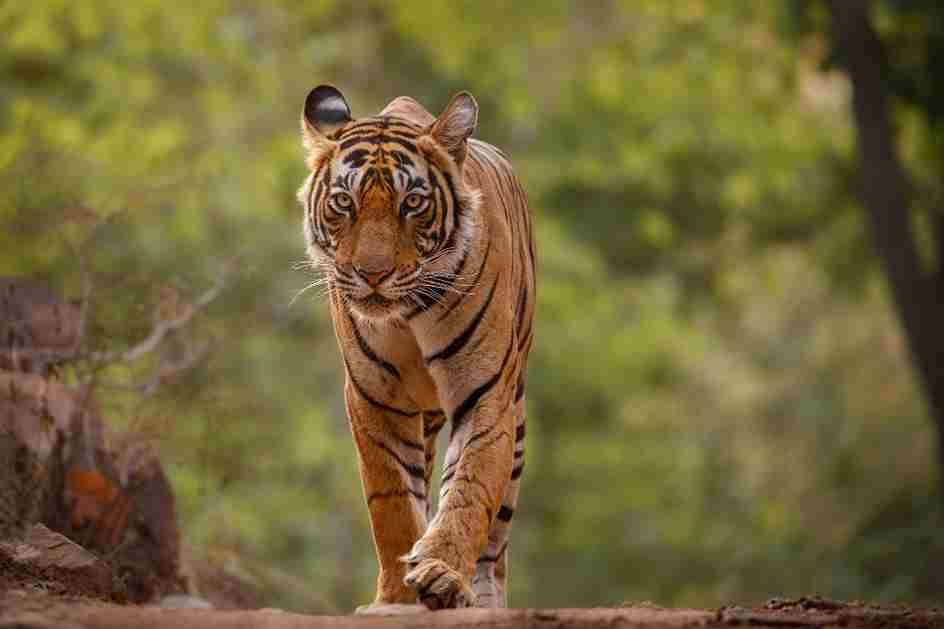
Kanha Safari Booking
Online jeep safari booking for Kanha National Park with confirmed zone permits, licensed naturalist guide, and morning or evening slot of your choice.
Book Safari Now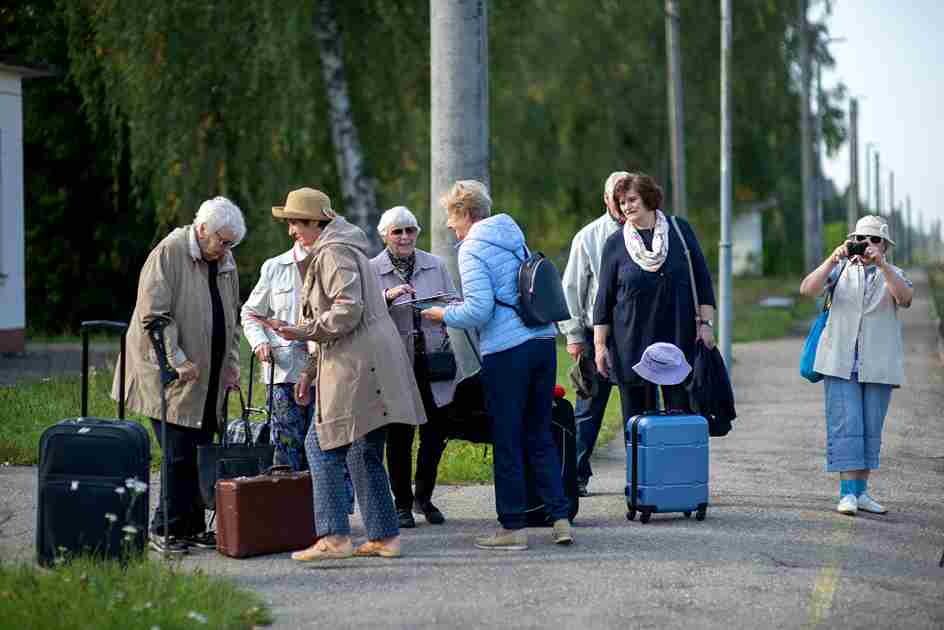 02
02
Tour Packages
Curated Kanha tour packages combining luxury jungle resort stays with multiple safaris, guided nature walks, and full itinerary support from arrival to departure.
Explore Packages 03
03
Hotel Booking
Luxury jungle resorts, eco-friendly lodges, and comfortable stays near all Kanha safari zones — vetted picks across every budget, with easy online booking.
Explore HotelsTop Attractions at Kanha National Park
Beyond the wildlife safaris, Kanha has several specific spots and experiences inside and around the park that visitors consistently mention as highlights of their trip.

Heart of the core zone, really. Every morning hundreds of chital and barasingha gather here to graze, predators rarely far behind. Most photographed stretch of the park, and once you've watched mist lift off a wide green meadow full of deer, with a tiger sitting quietly at the tree line, you get why.

Small lake inside the park, named after a figure from Hindu mythology. Decent birdlife around it, occasional tiger or leopard sightings too. Quieter than the main meadow areas — good option if you want a slower pace.

In the Mukki zone. Raised clearing facing west, one of the best sunset spots in the whole park. Gaur herds gather here in big numbers late afternoon, so it works as both a wildlife stop and a scenic one.

There's a museum near the Kanha gate, and if it's your first time visiting, honestly just go. It's not flashy. But it covers stuff you'll actually want to know — how barasingha conservation got started, how tigers behave, who the tribal communities are that have lived around this forest forever. Once you've seen it, the safari itself just... means more. You notice things.

Baiga and Gond villages sit scattered around the buffer zone of Kanha. A few local operators run trips out there. You'll hear about traditional forest knowledge, medicinal plants, that whole relationship between these communities and the land they've lived on for generations. Not something most people plan for. But a lot of visitors end up saying it was one of the better parts of the trip.
Things to Do at Kanha National Park
Most people assume that a national park visit is only about the jeep safari. Kanha offers a wider set of activities, and doing more than just the morning safari makes the overall trip much more rewarding.
 Main Event
Gypsy Safari
The main event. Morning runs go roughly 6 AM to 11 AM, evening ones around 3 to 6 PM. Open 6-seater Gypsy, licensed naturalist, driver. Watch the guide track pugmarks sometime — it's honestly kind of impressive how they read the forest.
 Slow Pace
Nature Walk and Buffer Zone Walk
Different animals entirely from the gypsy safari. Slower. Quieter. You're looking at tracks, insects, trees, birds — small stuff. If ecology's your thing beyond just "did we see a tiger," this adds real depth.
 300+ Species
Bird Watching
Kanha's one of the better birding spots in central India, full stop. Go early, before the main safari zones fill up. Forest edges, river banks, meadow borders — that's where the action is. And November through February? Migratory birds you won't catch any other time of year.
 Local Life
Village and Cultural Interaction
Resorts and local operators arrange visits to Baiga and Gond villages nearby. These are real communities, not some staged show for tourists. You'll pick up on forest-dependent lifestyles, local crafts, plant knowledge passed down over generations.
 Pro-Favourite
Photography
Kanha ranks among Asia's top wildlife photography spots, and it's not hard to see why. Open meadows, good light, animals that are used to vehicles — makes for cleaner shots than you'd get in a denser forest. Plenty of pros plan trips here specifically for tiger and barasingha shots.
Rivers of Kanha National Park
Water runs the whole show here, basically. Rivers of Kanha aren't just scenery — everything from gaur down to the smallest amphibian depends on them. And once you understand the rivers, it explains a lot about why certain zones and seasons produce better sightings.
The Banjar's the big one. Runs through Kanha and Kisli zones, fed by smaller streams coming down off the Maikal Hills. Along the western edge of the core zone, it's the main water source for tigers, leopards, gaur, deer herds — especially in summer when everything else dries up.
During summer safaris you'll see tiger pugmarks all along the sandy banks. Dawn and dusk, animals come to drink, so the riverbank ends up being one of the better spots to sit and watch. Marsh crocodiles hang around too — catch them basking on the muddy banks sometimes, especially in winter sun.
The Halon runs through the northern part of the park. Less known, but it matters just as much. Starts up in the Maikal Hills, drains down through some of the densest sal forest in Kanha. Tourist vehicles don't really go up there much compared to the Kanha and Mukki zones, so the wildlife stays fairly undisturbed. Good news if you're after the shy, nocturnal stuff that avoids busier routes during the day.
Thick riparian vegetation lines the banks — tall grasses, water-loving shrubs, big canopy trees, keeping things cool and shaded even at peak summer. Sambar and chital drink along the shallower stretches regularly, and sloth bears follow the river edge hunting fallen fruit and insects in rotting logs. Quiet birding spot too, if you're after species that like dense cover over open meadow.
Locally it's sometimes called the Tanneur. The seasonal river runs through the buffer zone, most active during and right after monsoon. Doesn't flow year-round like the Banjar or Surpan does. But it does something important — recharges groundwater across the forest during the rains, which is basically what keeps smaller nalas and waterholes from drying out completely by April and May.
October to December, it runs clear and fast, and wildlife activity along the banks picks up. Gaur herds cross it regularly, documented and everything. Leopard activity near the river in the buffer zone runs noticeably higher than in the more open areas. If you're staying at a resort near the buffer zone, try an early morning walk along the Tenneur with a naturalist — can end up being one of the best parts of the whole trip, outside the official safari zones.
The Surpan flows through the Mukki zone, on the park's southern side. Like the Banjar, it's fed by hill streams, and it's the main water source for wildlife around Mukki and Bishanpura. The vegetation here is different too — denser, more riverine, with big trees leaning in to give shade. Sambar deer love this stretch, and if you're lucky (or unlucky, depending how you look at it) you might spot signs of a leopard that's been using the thick cover to stalk prey.
There are marsh crocodiles in the Surpan as well. And come winter, it turns into a solid little birding spot — kingfishers darting along the banks, herons standing dead still in the shallows, egrets picking through the mud.
Besides the two big rivers, Kanha is crisscrossed by smaller streams that locals call "nalas." These drain the hills and eventually feed into the Banjar or Surpan. On top of that, the forest department has built a number of artificial waterholes at key spots around the park. They keep these topped up through the dry months, when natural water sources start disappearing — and that's exactly when they turn into magnets for wildlife.
If you're visiting in May, keep an eye on these waterholes. Tiger sightings here are some of the most consistent anywhere in the park during that month. Honestly, watching a tiger wade in to cool off while a nervous herd of deer looks on from a distance — that's the kind of moment Kanha delivers better than almost anywhere else in India.
Places to Visit Near Kanha
If you're already heading to Kanha, there are plenty of interesting places you can explore within a few hours. From scenic spots and wildlife destinations to historic sites, the places to visit near Kanha National Park offer much more than just a jungle safari. If you're planning a wider MP wildlife and heritage trip, adding a few nearby attractions can make your journey even more memorable.
Bandhavgarh National Park
About 210 km out. Another major tiger reserve, often paired with Kanha on one trip. Highest tiger density in India, more or less, plus an old fort and cave temples right inside the forest. The Kanha-Bandhavgarh combo is one of the go-to wildlife circuits in central India.
Pench National Park
Somewhere between 200 and 250 km away, straddling Madhya Pradesh and Maharashtra. Supposedly inspired the setting for The Jungle Book. Smaller than Kanha, sure, but tiger sightings hold up well, and it's got wolves — which Kanha itself doesn't really have.
Jabalpur
Nearest big city, around 160 km out, and where most people arrive from. Home to the Marble Rocks at Bhedaghat, where the Narmada cuts through white marble cliffs. Worth a boat ride through the gorge if you're passing through anyway.
Mandla
Small historic town, about 38 km from Kanha gate, sitting right on a bend of the Narmada. Ruins of Mandla Fort here, once the Gond kingdom's capital. A handful of Gond cultural sites too. Good stop if you want the history before the wildlife.
Amarkantak
Roughly 157 km away. Sacred hill town, where the Narmada and Son rivers both start. Sits where the Vindhya and Satpura ranges meet, dense forest, old temples. Nice add-on if you like mixing wildlife with something more spiritual.
Kawardha
Around 101 km out, over in Chhattisgarh. Known for Kawardha Palace (also called Raj Bhavan), tucked into the Maikal Hills. Nearby's the Bhoramdev Temple — one of the best examples of Nagara-style architecture in central India, honestly. Quiet stop. Adds history and architecture without much hassle.
How to Reach Kanha National Park
Kanha National Park welcomes visitors through two entry points — the Kanha gate near Khatia village, and the Mukki gate on the other side. Which one works better for you really depends on where you're coming from. A lot of travelers searching for how to reach Kanha National Park usually start from cities like Jabalpur or Nagpur, and honestly, you've got decent options either way — by air, train, or road. Let's break down each route so you can figure out what suits your travel plan best.
By Air
Jabalpur Airport (JLR) is closest, about 160 km from Kanha gate. Flights from Delhi, Mumbai, Bhopal. From there, cab or resort transfer — figure 3.5 to 4 hours depending on the roads.
Nagpur Airport's the other option, especially for Mukki gate, even though it's farther at around 250 km. Better flight connectivity though — direct flights from most major cities. Drive's about 5 to 6 hours.
By Rail
Jabalpur Railway Station's the one to use for Kanha/Khatia gate. Connect to Delhi, Mumbai, Kolkata, Chennai, Bhopal. From the station, cabs or shared taxis get you there in around 3.5 hours.
For Mukki gate, Gondia Railway Station in Maharashtra is closer — about 140 km. Makes sense if you're coming from Nagpur or further south. Express trains stop there regularly, cabs are easy to find.
By Road
From Jabalpur, go via Mandla — most direct route to Kanha gate. The two-lane highway mostly passes through small forest towns, and takes about 3.5 hours. Roads are decent, and honestly pretty scenic once you're closer to the park.
From Nagpur, the Mukki gate route runs through Seoni, covering around 280 km. Popular with people doing a Kanha-Pench combo. Self-drive works if you want flexibility, but a local cab's easier — some of those stretches near the park aren't well marked.
| Kanha National Park Route Chart — From Major Cities | |||
|---|---|---|---|
| Starting Location | Route Distance | Starting Location | Route Distance |
| Nagpur to Kanha | 250 km | Seoni to Kanha | 140 km |
| Chhindwara to Kanha | 196 km | Balaghat to Kanha | 82 km |
| Jabalpur to Kanha | 160 km | Bhopal to Kanha | 438 km |
| Indore to Kanha | 604 km | Agra to Kanha | 753 km |
| Lucknow to Kanha | 707 km | Mumbai to Kanha | 1,043 km |
| Pune to Kanha | 1,018 km | Hyderabad to Kanha | 755 km |
| Delhi to Kanha | 1,000 km | Raipur to Kanha | 185 km |
Do's And Don'ts In Kanha National Park
A lot of first-timers spend so much energy booking the safari itself that they forget the small stuff — what to wear, how to behave once you're actually in the park. Here's what you should know so you're not caught off guard.
Do's
- ✓Follow the forest department's rules. They're not suggestions — breaking them can get you fined or worse.
- ✓Carry a valid entry permit. Sort this out before you show up at the gate.
- ✓Go with an official guide. It's required anyway, but a good guide also makes the safari genuinely better — they know the terrain and the animals.
- ✓Actually listen to your guide. They can read the forest in ways you can't, and their calls are usually about safety.
- ✓Bring drinking water. Safaris run long, sometimes several hours, so don't skimp on this.
- ✓Keep the noise down. No shouting, no music — quiet visitors see more wildlife, plain and simple.
- ✓Stick to muted colors. Beige, brown, olive green — anything that blends in rather than standing out.
- ✓Say something if you see rule-breaking. Flag it to a forest officer or park staff rather than ignoring it.
Don'ts
Guns, explosives, or any kind of dangerous item are strictly not allowed inside Kanha National Park. If you are caught carrying any such item, strict legal action will be taken against you.
Do not carry lighters, matchsticks, or cigarettes inside the park. Even a small spark can turn into a massive forest fire within minutes and destroy the habitat of thousands of animals.
The speed limit inside Kanha is 20 km/h. This rule exists to protect both animals and passengers. Do not pressure your driver to go faster. An animal can cross the road anytime, and a speeding vehicle gives no time to stop.
Lighting any kind of fire inside the forest — whether for warmth, cooking, or smoking — is completely banned. Forest fires spread fast and cause damage that takes decades to recover.
Playing music, using a radio, or making unnecessary noise inside the park disturbs wildlife and breaks the natural peace of the forest. Keep your voice low and your devices silent throughout the safari.
Using a car horn inside the park is not allowed. A sudden loud horn can frighten animals, disturb their natural behavior, and ruin sightings for everyone in nearby vehicles.
Plastic bags, bottles, wrappers, and cans must never be thrown inside the park. Carry a small bag to collect your trash and dispose of it properly after you exit the gate.
Never step out of your jeep or gypsy without clear permission from your naturalist guide. Wild animals — including tigers — may be closer than you think, and stepping out puts your life at serious risk.
Picking plants, collecting wood, taking stones, or removing any natural object from the park is strictly prohibited. Everything inside the forest belongs to the ecosystem and must stay exactly where it is.
Wild animals are not pets. Even if a deer or monkey approaches your vehicle, do not offer food or try to touch them. Feeding wild animals changes their natural behavior and can make them aggressive toward other visitors.
Kanha is a protected tiger reserve. Carrying any hunting tool or attempting to harm any animal — big or small — is a serious criminal offence under the Wildlife Protection Act of India.
Many animals inside Kanha have a very sharp sense of smell. A strong perfume or deodorant can alert animals to your presence before you even get close, which directly reduces your chances of good wildlife sightings. Keep it minimal on safari days.
Frequently Asked Questions — Kanha National Park
What is Kanha National Park famous for?
Kanha National Park is best known for its Bengal tiger sightings in the wild. It's also the only place on earth where the hard-ground barasingha (swamp deer) still exists in its natural habitat. As one of India's founding tiger reserves under Project Tiger (1973), Kanha is often ranked among the best-managed wildlife reserves in all of Asia.
Where is Kanha National Park located?
You'll find Kanha National Park in the Mandla and Balaghat districts of Madhya Pradesh, India, nestled within the Satpura-Maikal hill range in the heart of the country. It has two main entry points — the Kanha gate near Khatia village, and the Mukki gate to the south.
What is the best time to visit Kanha National Park?
November through April is generally the best window to visit Kanha National Park. The stretch from November to February brings pleasant weather and steady wildlife activity, while March to May is peak tiger-sighting season, since the heat pushes animals toward waterholes more often. The park shuts down for the monsoon between July and September.
How many tigers are there in Kanha National Park?
The latest estimates put Kanha's tiger population at over 100 Bengal tigers spread across the core and buffer zones, making it one of the densest tiger habitats in India. Numbers have climbed steadily since Kanha became one of the original nine reserves under Project Tiger back in 1973.
How many zones are there in Kanha National Park?
There are 8 safari zones altogether — four core zones (Kanha, Kisli, Mukki, and Sarhi) and four buffer zones (Khatia, Khapa, Sijhora, and Phen). Each one has its own gate and safari routes, though Kanha and Mukki tend to draw the most visitors for tiger sightings.
How to reach Kanha National Park from Jabalpur?
Jabalpur sits about 160 kilometers from Kanha National Park. Driving via Mandla is the quickest route, taking roughly 3.5 to 4 hours by cab or self-drive. Since Jabalpur has both the closest airport and a well-linked railway station, it ends up being the most common starting point for travelers heading toward the Kanha or Khatia gate.
How to reach Kanha National Park from Nagpur?
Nagpur is farther out, at around 250 kilometers, with the route running through Seoni toward the Mukki gate — expect a 5 to 6 hour drive. That said, Nagpur's airport has stronger flight connectivity than Jabalpur's, which makes it the go-to arrival point for anyone planning to enter via Mukki.
What is the total area of Kanha National Park?
The park spans 2,051 square kilometers in total — 940 sq km make up the core zone (also called the Critical Tiger Habitat), and the remaining 1,067 sq km form the buffer zone that transitions into the surrounding villages.
What animals can be seen in Kanha National Park?
Beyond tigers, Kanha shelters over 40 mammal species — leopards, hard-ground barasingha, gaur (Indian bison), dholes, sloth bears, sambar, chital, nilgai, and jackals among them. Marsh crocodiles and Indian pythons live here too, along with more than 300 bird species, some of which migrate in for the winter.
Is Kanha National Park the inspiration for The Jungle Book?
It's widely believed so — Kanha and its surrounding forests are thought to have shaped Rudyard Kipling's The Jungle Book. The nearby Seoni district even gets named directly in the original text, and the mix of sal forests, meadows, and river valleys lines up closely with how Kipling described the setting.
What is barasingha and why is Kanha special for it?
The barasingha — also called the hard-ground swamp deer — was down to just 66 individuals by the 1970s and on the brink of extinction. Kanha is the only place left where it survives in the wild, and years of focused conservation work have since pushed the population back up past 700.
Can we visit Kanha National Park in June?
Yes, the park stays open through most of June, usually until the last week. Early June still offers solid wildlife sightings and thinner crowds, before it closes for the monsoon around late June or early July. It's a decent pick for travelers wanting to dodge the peak-season rush while still catching good sightings.
Which gate is better for Kanha National Park — Khatia or Mukki?
It really comes down to where you're staying and which zone you've booked. Khatia gate suits visitors coming from Mandla or Jabalpur and opens access to the Kanha, Kisli, and Sarhi zones. Mukki gate works better for those arriving from Nagpur or Balaghat and leads into the Mukki zone — often rated the strongest for tiger sightings.
Which river is most important in Kanha National Park?
The Banjar River plays the biggest role here, running through the Kanha and Kisli zones and serving as a key water source for tigers, leopards, gaur, and deer during the dry months. Tiger pugmarks show up frequently along its banks, and it's also home to resident marsh crocodiles. The Surpan, Halon, and Tenneur are the park's other rivers.
How many days are enough for Kanha National Park?
Plan on at least 2 nights and 3 days, which gives you room for 3 to 4 safaris across different zones and time slots. If you're a serious wildlife photographer or want to properly cover multiple zones, stretching it to 3 nights and 4 days is worth it.
Is Kanha National Park open in October?
Yes — the park reopens to visitors in October once the monsoon closure ends. It's a good time to go: the forest is still lush and green from the rains, meadows fill up with deer herds, and sightings tend to be steady. Just make sure to book safaris in advance since demand picks up fast.
Explore Kanha Through Our Blogs
Latest Blog Posts
Explore In-Depth Blogs.
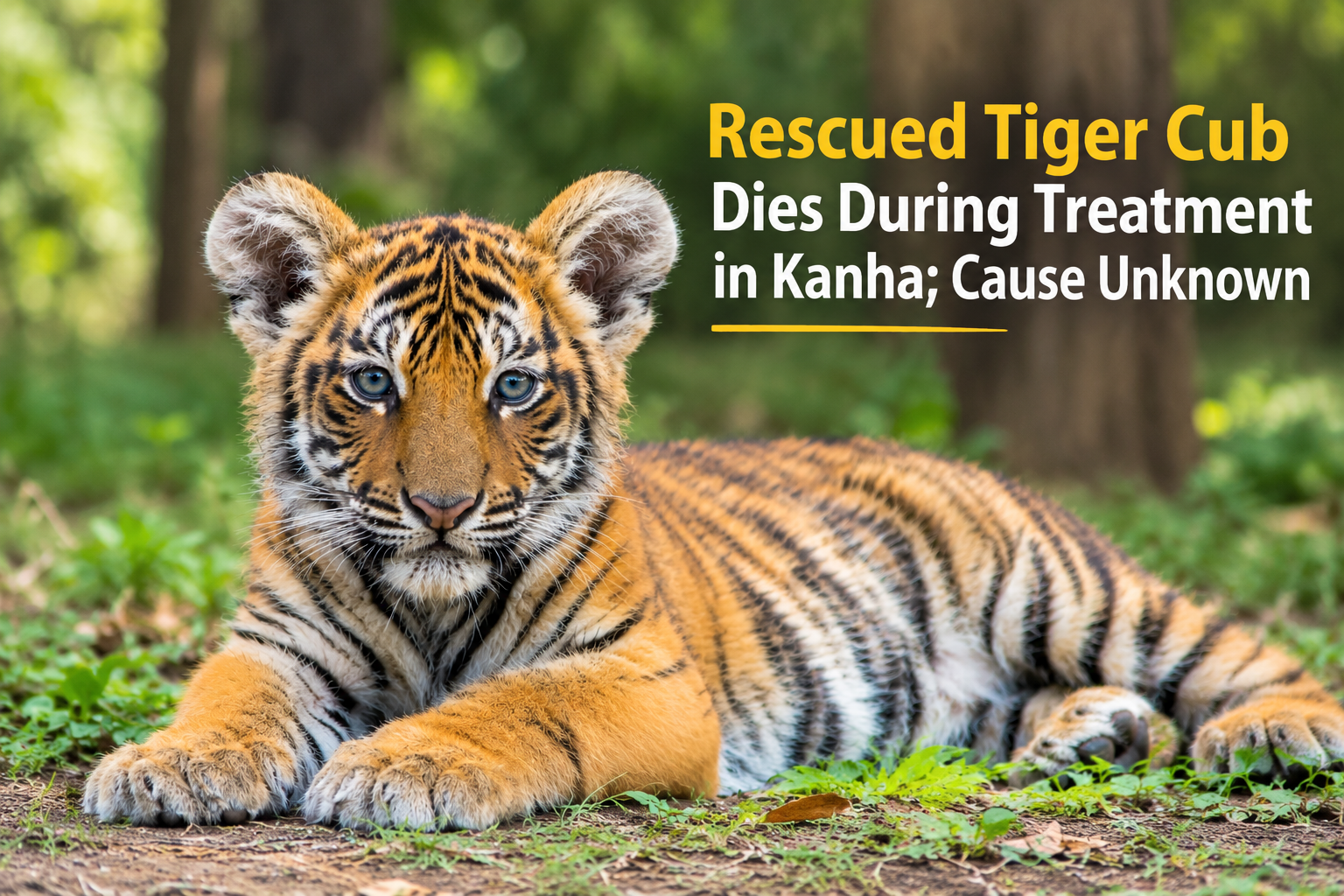
Rescued Tiger Cub Dies During Treatment in Kanha;...
A tiger cub rescued from a village in Madhya Pradesh has died despite receiving medical attention for several days at Kanha Tiger Reserve. The young...
Read More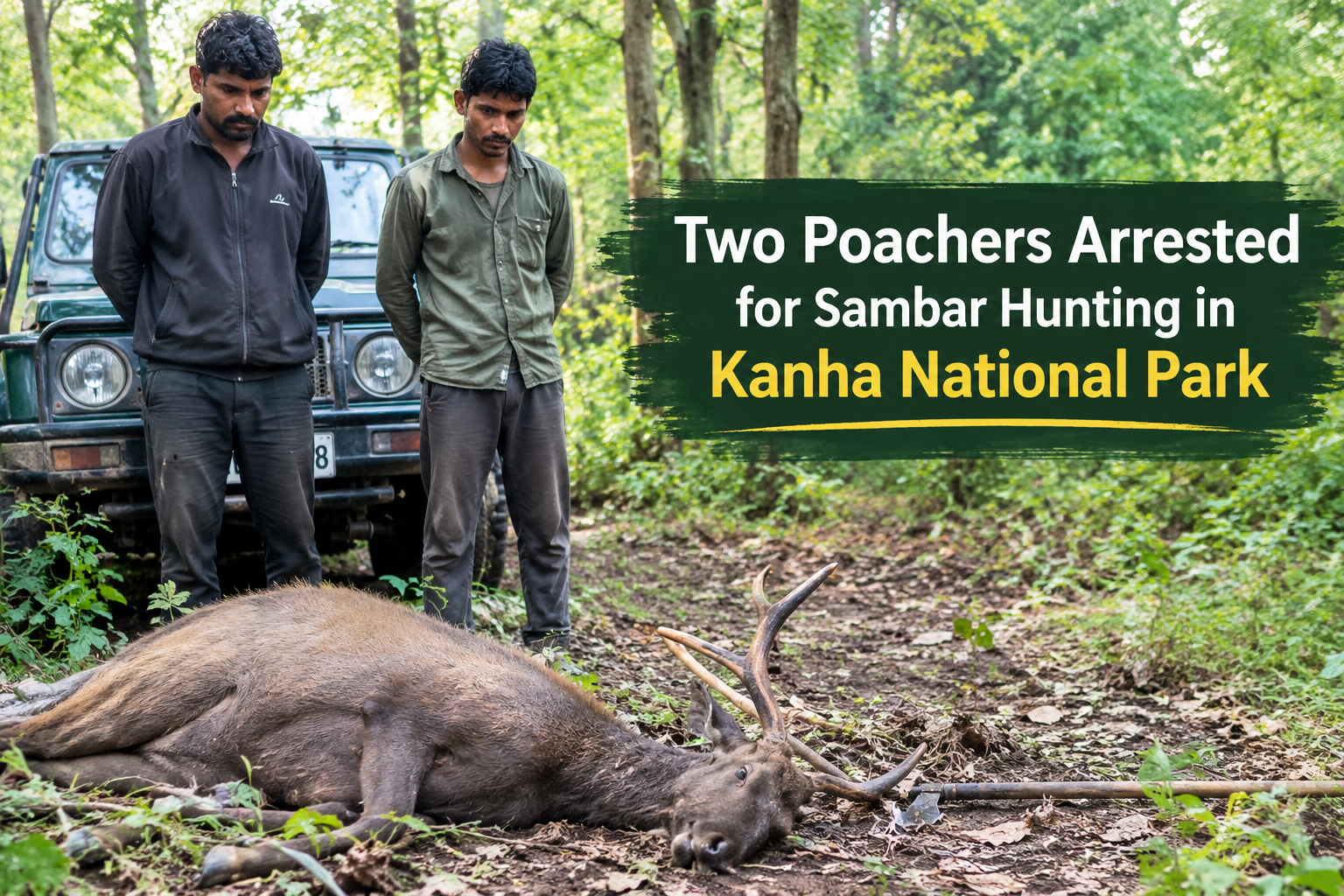
Two Poachers Arrested for Sambar Hunting in Kanha...
The Forest Department arrested two persons on Monday in connection with the illegal hunting of a female sambar in the Bhaisan Ghat forest range of Ka...
Read More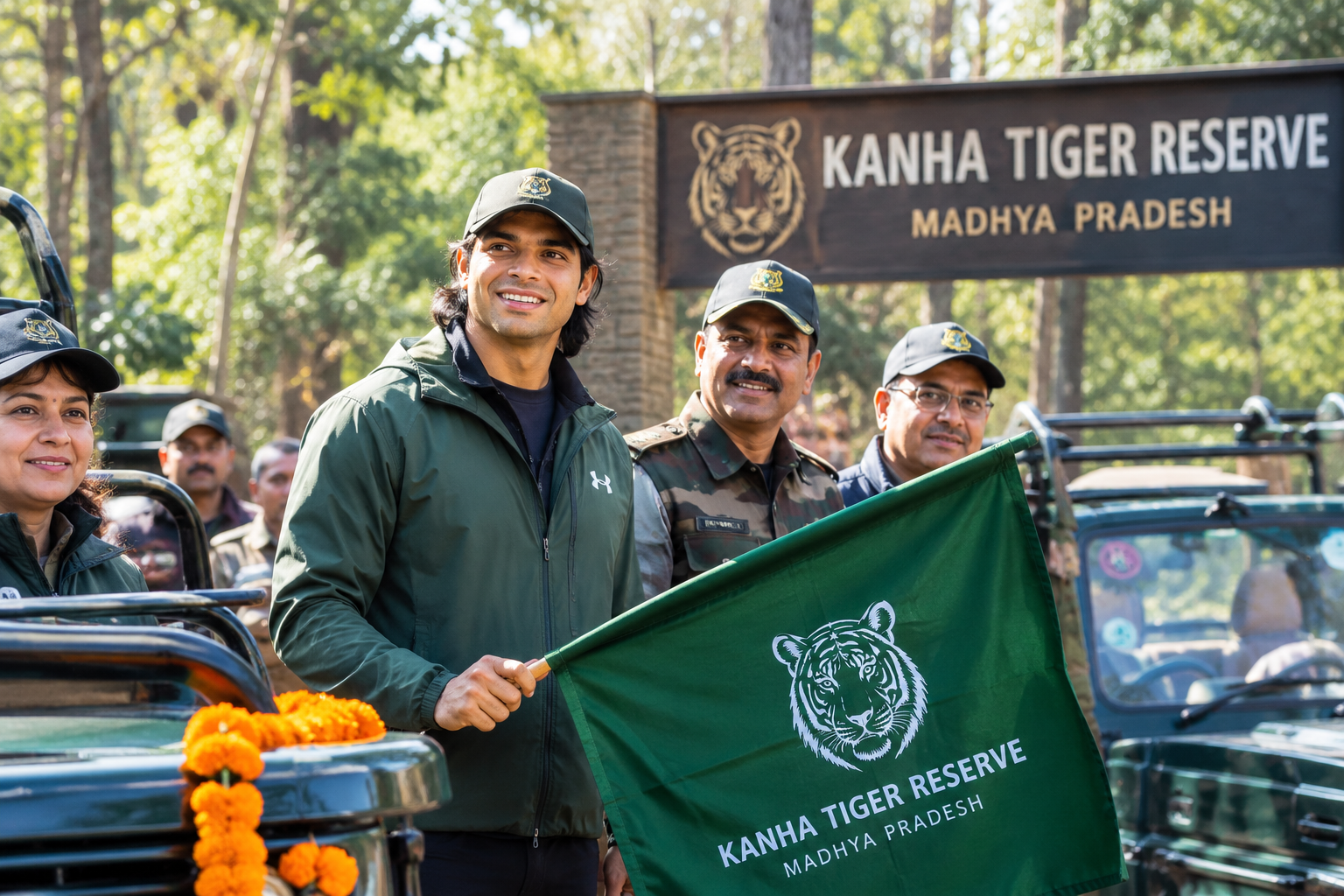
Neeraj Chopra Joins Kanha Core Zone Reopening as W...
Bhopal: Olympic medallist Neeraj Chopra visited Kanha Tiger Reserve on Thursday along with fellow Olympians Gagan Narang and Elavenil Valarivan as th...
Read More