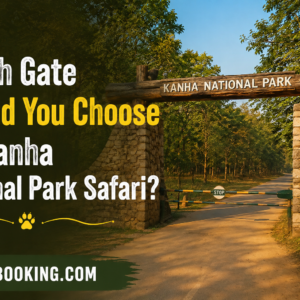

Planning a Kanha jungle safari is an exciting experience, but knowing the right rules before you enter the forest can make the difference between an amazing trip and a disappointing one. Whether you are visiting Kanha National Park for the first time or returning for another tiger sighting, following a few basic do’s and don’ts ensures your safari is safe, enjoyable, and respectful of the wildlife.
Let’s walk through everything you need to know before stepping into one of India’s most iconic tiger reserves.
Why Rules Matter at Kanha National Park
Kanha Tiger Reserve is a protected forest spread across nearly 940 square kilometers in Madhya Pradesh. It is home to the Royal Bengal Tiger, barasingha (swamp deer), leopards, Indian wild dogs, sloth bears, and over 300 bird species. The park has strict guidelines to protect this ecosystem and ensure every visitor gets a safe, quality experience.
Ignoring safari rules doesn’t just put wildlife at risk — it can also lead to fines, cancellation of your safari permit, or being removed from the park entirely.
Do’s for Kanha Jungle Safari Visitors
1. Book Your Safari in Advance
Always do online Kanha safari booking before your visit. Safari permits for core zones like Mukki, Kanha, Kisli, and Sarhi are limited and often sell out weeks in advance, especially during peak season (October to March). You can book your Kanha jeep safari easily to avoid last-minute stress.
2. Carry Original ID Proof
At the safari entry gate, you must show the original government ID (Aadhaar card, Voter ID, Driving License, or Passport) that was submitted during booking. A photocopy or digital copy is usually not accepted. Without your original ID, entry may be denied.
3. Arrive on Time at the Safari Gate
Morning safaris in Kanha typically start between 6:00 AM to 6:30 AM, and evening safaris begin around 3:00 PM. Reaching late means missing your slot, as the forest gates open and close strictly on schedule. Punctuality is non-negotiable at Kanha Tiger Reserve.
4. Wear Neutral, Earthy-Colored Clothing
Wear dull or muted colors — khaki, olive green, brown, or grey — when going on a Kanha wildlife safari. Bright or neon colors disturb animals and can reduce your chances of good sightings. Think of blending in with the forest, not standing out.
5. Maintain Silence Inside the Forest
Animals sense noise and movement very quickly. Keeping your voice low inside the safari vehicle improves your chances of spotting tigers, deer, and birds. Silence is your best safari companion. A calm, quiet jeep often gets the best wildlife encounters.
6. Follow Your Naturalist’s and Guide’s Instructions
Every Kanha safari jeep is accompanied by a certified forest guide or naturalist. Listen to them carefully. They know the trails, animal behavior, and safety protocols better than anyone. Following their guidance also helps you understand what you are seeing — pugmarks, alarm calls, and animal behavior patterns.
7. Stay Inside the Safari Vehicle at All Times
Unless your guide specifically permits it in designated safe areas, always stay seated in the jeep during your Kanha jungle safari. Standing up or leaning out dangerously can startle animals and put you at risk.
8. Respect Wildlife Viewing Distance
If you spot a tiger or other large animal, instruct your driver to maintain a safe distance. Crowding around an animal creates stress for the creature and is against park regulations. A calm, distanced observation is always more rewarding.
9. Carry Water and Light Snacks
Safari durations typically last 3 to 4 hours. Carry enough drinking water and light snacks, as there are no shops or stalls inside the core forest. Stay hydrated, especially during summer safaris in Kanha when temperatures can climb significantly. Kindly keep the environment clear. Don’t put any garbage into the forest, keep your waste in your own bag.
10. Use a Good Camera with Zoom Lens
If wildlife photography is your goal, bring a camera with a good zoom lens. The best Kanha tiger sighting zones like Mukki and Kanha core area offer excellent open grassland views. A telephoto lens lets you photograph animals without getting too close.
Don’ts for Kanha Jungle Safari Visitors
1. Don’t Feed or Try to Touch Wildlife
Feeding wild animals, even small ones like monkeys or deer, is strictly prohibited inside Kanha Tiger Reserve. Human food is harmful to animals and feeding them changes their natural behavior. Never stretch out your hand toward any animal, no matter how harmless it appears.
2. Don’t Litter Inside the Forest
Throwing plastic wrappers, bottles, or any waste inside the park is illegal and harmful to the jungle ecosystem. Carry a small bag to collect your own waste and dispose of it properly after exiting the park. This simple habit protects the forest and the animals that live in it.
3. Don’t Make Loud Noise or Play Music
Playing loud music, honking unnecessarily, or shouting inside the safari zone disturbs animals and ruins the experience for fellow visitors. It is also against Kanha National Park rules and can lead to your safari being terminated. The jungle has its own sounds — let them be heard.
4. Don’t Smoke or Light Fires in the Forest
Smoking is strictly banned inside Kanha safari zones. A single spark in the dry sal and bamboo forest can trigger wildfires that destroy hectares of habitat. This rule applies inside vehicles and at all forest viewpoints. Respect it without exception.
5. Don’t Use Flash Photography
Flash photography startles and stresses wild animals, especially nocturnal ones. It is harmful to their eyesight and disruptive to their natural behavior. Keep your camera in natural light or use settings that allow photography without flash. Most good wildlife photos are taken in the natural morning or golden hour light anyway.
6. Don’t Get Off the Safari Vehicle Without Permission
It is absolutely not allowed to exit the jeep at any random point in the forest. Wild animals — including tigers and sloth bears can be unpredictable. Only exit the vehicle in areas explicitly designated for this purpose, and only when your guide says it is safe.
7. Don’t Book Last-Minute Without Verification
Avoid booking Kanha safari permits from unknown or unverified sources. Always use a trusted platform for your Kanha safari online booking. Last-minute unverified bookings often result in invalid permits or overpriced packages.
8. Don’t Expect or Demand a Tiger Sighting
Wildlife is wild — sightings are never guaranteed. A tiger sighting is a beautiful bonus, not a promise. Going into your Kanha tiger safari with patience and open eyes ensures you enjoy the full experience — the birds, the deer, the forest sounds, and the landscape.
9. Don’t Bring Single-Use Plastics
Kanha is a protected wildlife reserve. Bringing single-use plastic bags, straws, or disposable cutlery inside the park harms the environment. Pack reusable bottles and eco-friendly items to do your part in keeping the forest clean.
10. Don’t Skip the Buffer Zone Safaris
Many visitors only book core zone safaris and miss out on the rich wildlife and birdwatching experiences in Kanha’s buffer zones like Khatia, Sijhora, and Khapa. Buffer zone safaris are more flexible, often available on shorter notice, and offer excellent opportunities for bird watching and photography.
Frequently Asked Questions (FAQs)
Wear neutral, earthy tones like khaki, olive, or grey. Avoid bright colors. Light cotton clothes work well in summer, while layered clothing is needed in winter mornings.
You can carry light packaged snacks and water for yourself, but feeding any wildlife is strictly prohibited. No open food should be left or distributed inside the forest.
Yes, photography is fully allowed during your Kanha jeep safari. However, flash photography is banned. A DSLR or mirrorless camera with a zoom lens gives the best results.
Yes, children can join a Kanha safari. Children under 5 typically share a seat with an adult and may not be charged a separate seat fee. Ensure kids are well-behaved and stay inside the vehicle at all times.
A standard Kanha jungle safari lasts approximately 3 to 4 hours. Morning and evening safaris both cover routes inside the core or buffer zones based on your booking.
A standard Kanha safari gypsy (jeep) accommodates up to 6 tourists plus the driver and forest guide. Private jeep safaris are also available for families or small groups.
Cancellation policies vary by booking platform. Through kanha cancellation policy, it is advised to review the cancellation and refund terms at the time of booking, as safari permits once confirmed are generally non-transferable.
Final Thoughts
A Kanha jungle safari is one of the most rewarding wildlife experiences in India — but only when you approach it with the right mindset and preparation. Respect the forest, follow the rules, listen to your guide, and let the wild do the rest. Whether you spot a tiger or simply sit in silence as a herd of barasingha crosses a misty meadow, Kanha will leave you with memories that last a lifetime.